


How to Choose a Listing Agent in Cary, NC: What Buyers and Sellers Should Know
Choosing a real estate agent involves more than finding someone who knows the neighborhood or hosts a great open house. You want someone who explains your options clearly, understands the financial stakes, and helps you make decisions with confidence.
For first-time sellers, that means choosing a listing agent who can price, prepare, market, and negotiate the sale of your home. For first-time buyers, it starts with understanding the listing agent’s role—and who represents your interests.
Start With One Question: Who Does This Agent Represent?
Imagine walking into an open house in Cary. You love the kitchen, the backyard feels perfect, and the agent offers to help you write an offer.
Before discussing your budget, motivation, or negotiating limits, ask:
“Do you represent the seller, and how would representation work if I wanted to make an offer?”
A listing agent represents the seller. A buyer’s agent represents the buyer. A friendly conversation at an open house does not automatically create a relationship in which that agent represents you.
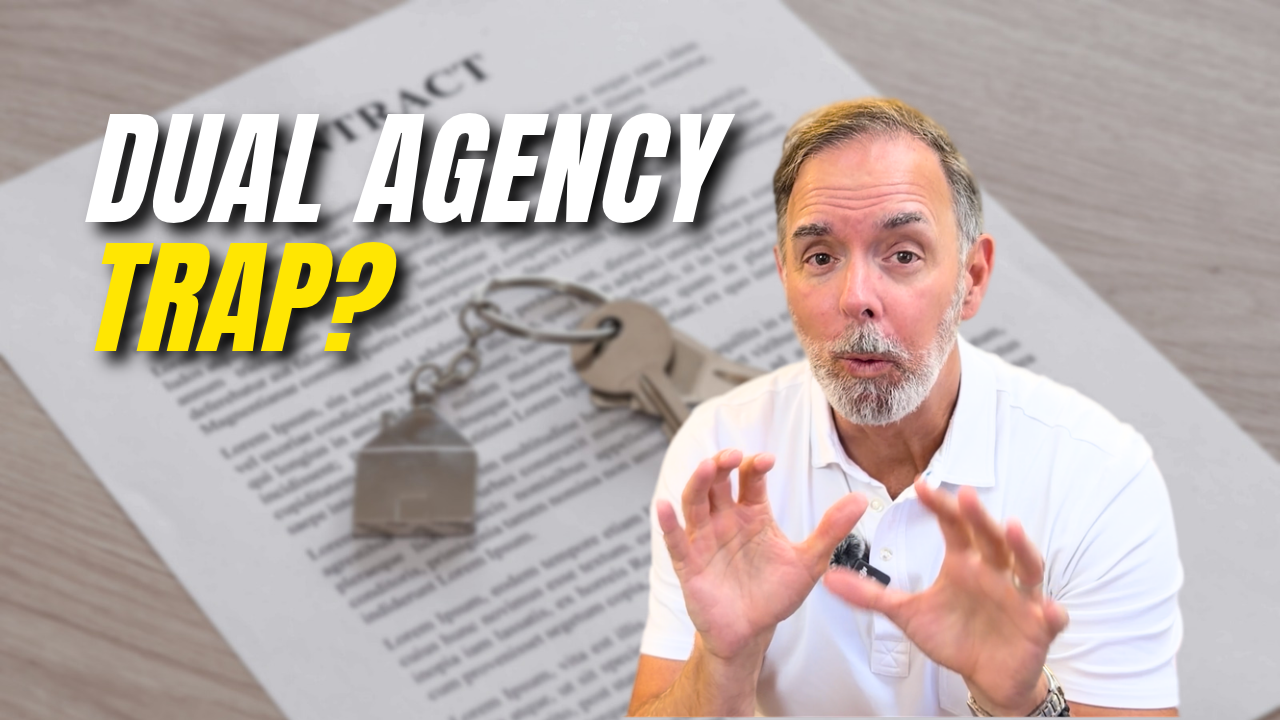
North Carolina also permits dual agency, in which the same real estate firm represents both parties. This requires authorization and disclosure. With designated dual agency, the firm assigns different agents to represent the buyer and seller individually. The firm remains a dual agent, even though the designated agents advocate for their respective clients.
These arrangements deserve a clear conversation before you move forward. Ask who will advise you on price, repair negotiations, and confidential information.
One important distinction: agency limitations do not allow an agent to conceal material facts about a property. North Carolina brokers have a duty to discover and disclose material facts to all parties, regardless of whom they represent.
You should understand who represents you before sharing information that could affect your negotiating position.
Look for Practical Knowledge About Homes
An agent should help you understand how a home’s condition affects its value, your budget, and your next steps.
Throughout Cary and the Triangle, buyers encounter homes of different ages, construction styles, and maintenance histories. An aging roof, an older HVAC system, or signs of moisture may warrant further investigation. For sellers, those same issues can influence preparation, pricing, and negotiations.
My experience includes flipping more than 20 homes and building a portfolio of 18 rental properties. That hands-on work shapes how I evaluate renovation choices, maintenance concerns, and potential value.
An agent’s experience does not replace a licensed inspector, contractor, or engineer. It should help you recognize when to bring those professionals into the conversation—and understand how their findings affect your decision.
Ask a prospective agent:
“How do you help clients evaluate a home’s condition, and when do you recommend a specialist?”
Listen for specific examples and a clear process.
Ask for a Strategy Built Around Your Local Market
A strong listing strategy starts with the property and its competition.
A home near Downtown Cary Park may appeal to a different buyer than a property in West Cary, Apex, or Morrisville. Condition, layout, lot characteristics, location, and nearby competing listings all influence how a home should be positioned.
If you’re selling, your agent should explain:
Which comparable sales support the recommended price.
How your home compares with properties currently available.
Which improvements are worth considering before listing.
How the home will be photographed, marketed, and shown.
How you’ll review feedback and decide whether adjustments are needed.
If you’re buying, ask how your agent uses those same factors to evaluate an asking price and develop an offer.
Be cautious of a pricing recommendation that comes without supporting evidence. A useful conversation connects the numbers to the home and your goals.
Choose Someone Who Explains Due Diligence Clearly
North Carolina’s due diligence process deserves careful attention, especially for first-time buyers.
Under the standard Offer to Purchase and Contract, the due diligence fee is a negotiated amount paid to the seller and credited toward the purchase at closing. It is generally nonrefundable if the buyer chooses to terminate, although the contract provides exceptions.
The fee is due on the contract’s effective date. Under the 2026 revision to Form 2-T, the buyer has until the end of the next banking day to deliver payment before being in breach of that payment obligation. Your agent should explain the deadlines in the specific contract you sign.
Before making an offer, you should understand how much money you could lose if you decide the home isn’t right for you.
Ask:
“How will you help me choose a due diligence fee and evaluate the financial risk?”
For buyers, the answer should address available property information, your comfort with risk, and the time needed to investigate the home. For sellers, it should explain how the fee fits into the overall offer alongside price, financing, timing, and other terms.
Ask These Five Questions Before Hiring a Listing Agent
1. “How did you arrive at your recommended list price?”
Ask the agent to walk you through comparable properties and explain adjustments for condition, updates, location, and other meaningful differences.
You should leave understanding the reasoning behind the price.
2. “What should we do before listing—and what can we skip?”
Spending more does not automatically mean selling for more.
A thoughtful agent helps you prioritize preparation based on your home, budget, timeline, and likely buyer expectations. Sometimes cleaning, paint, lighting, and landscaping deserve attention before a larger renovation.
3. “What is your marketing and communication plan?”
Ask what the agent will do to introduce your home to buyers and how you’ll stay informed.
Who will be your main contact? How often will you receive updates? How will showing feedback be used? What happens if activity is slower than expected?
Clear expectations make the process easier to manage.
4. “Can you describe a time you advised a client to pause or walk away?”
The answer can reveal how the agent approaches difficult decisions.
Perhaps a buyer faced repair costs beyond their budget. Perhaps a seller needed more preparation time or would benefit from waiting. Look for an agent who can explain tradeoffs honestly, even when the advice delays a transaction.
5. “How do you handle representation, compensation, and potential conflicts?”
Before signing an agreement, understand who represents you, what services are included, how compensation is negotiated, and how any dual agency situation would be handled.
You should feel comfortable asking questions until the arrangement is clear.
Look for Advice That Fits Your Life
Before working full time in real estate, I spent years in financial services and served as a pastor for six years. Those experiences taught me to listen carefully, explain difficult choices plainly, and recognize that a housing decision is also a personal decision.
The right move depends on more than a purchase price. Your savings, monthly expenses, maintenance needs, timing, and future plans all matter.
An agent should take the time to understand those priorities. You deserve room to ask questions and consider your options without feeling rushed.
Plan Your Next Move With The Hoggard Group
Whether you’re buying your first home, selling a starter home, or coordinating both, a clear plan can make the process feel more manageable.
At The Hoggard Group, we’ll help you understand your options, evaluate the numbers, and build a strategy around your goals.